
Computer Science & Engineering
Transforming Minds, Engineering Tomorrow's Digital Revolution
About the Department
The Department of Computer Science & Engineering at K.S.R.M. College of Engineering is committed to delivering excellence in technical education and research. With state-of-the-art facilities, experienced faculty, and industry partnerships, we prepare students for successful careers in the dynamic field of Computer Science & Engineering.
🤖 AI-Enabled Highlights
✨ AI-Driven Innovation
Apply AI and machine learning for advanced problem-solving.
✨ Automation & IoT
Design intelligent systems and connected devices.
✨ Predictive Analytics
Use data-driven approaches for optimization.
✨ Sustainable Solutions
Engineer solutions for environmental challenges.
Vision
"To be a leading center of excellence in Computer Science & Engineering education and research, producing competent engineers who contribute to technological advancement and societal development."
Mission
To provide quality education with industry-relevant curriculum and innovative teaching methods.
To promote research, innovation and collaboration with industries and academic institutions.
To develop engineers with professional ethics, leadership qualities and commitment to sustainable development.
Head of Department
Message
Welcome to the Department of Computer Science & Engineering. We are committed to fostering innovation, practical skills and research excellence.
Our faculty and facilities are designed to provide students with world-class education and prepare them for impactful careers.
Our Faculty
Programmes Offered
B.Tech - Computer Science & Engineering
Level
Undergraduate
Intake
120
B.Tech - CSE (Artificial Intelligence & Machine Learning)
Level
Undergraduate
B.Tech - CSE (Data Science)
Level
Undergraduate
M.Tech - Computer Science & Engineering
Level
Postgraduate
Intake
18
Laboratories
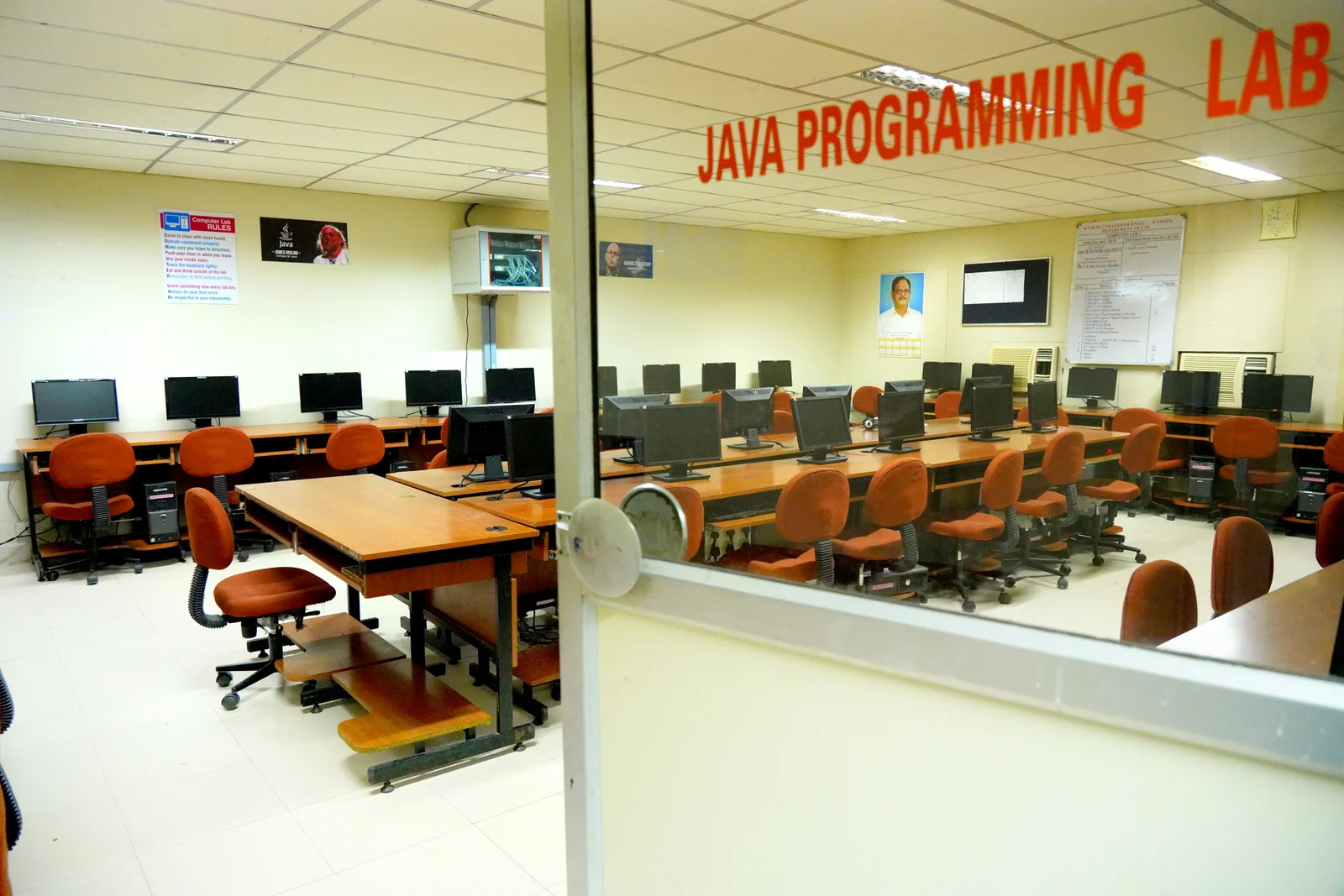
Programming & Data Structures Laboratory
C, C++, Java programming and fundamental data structures practice
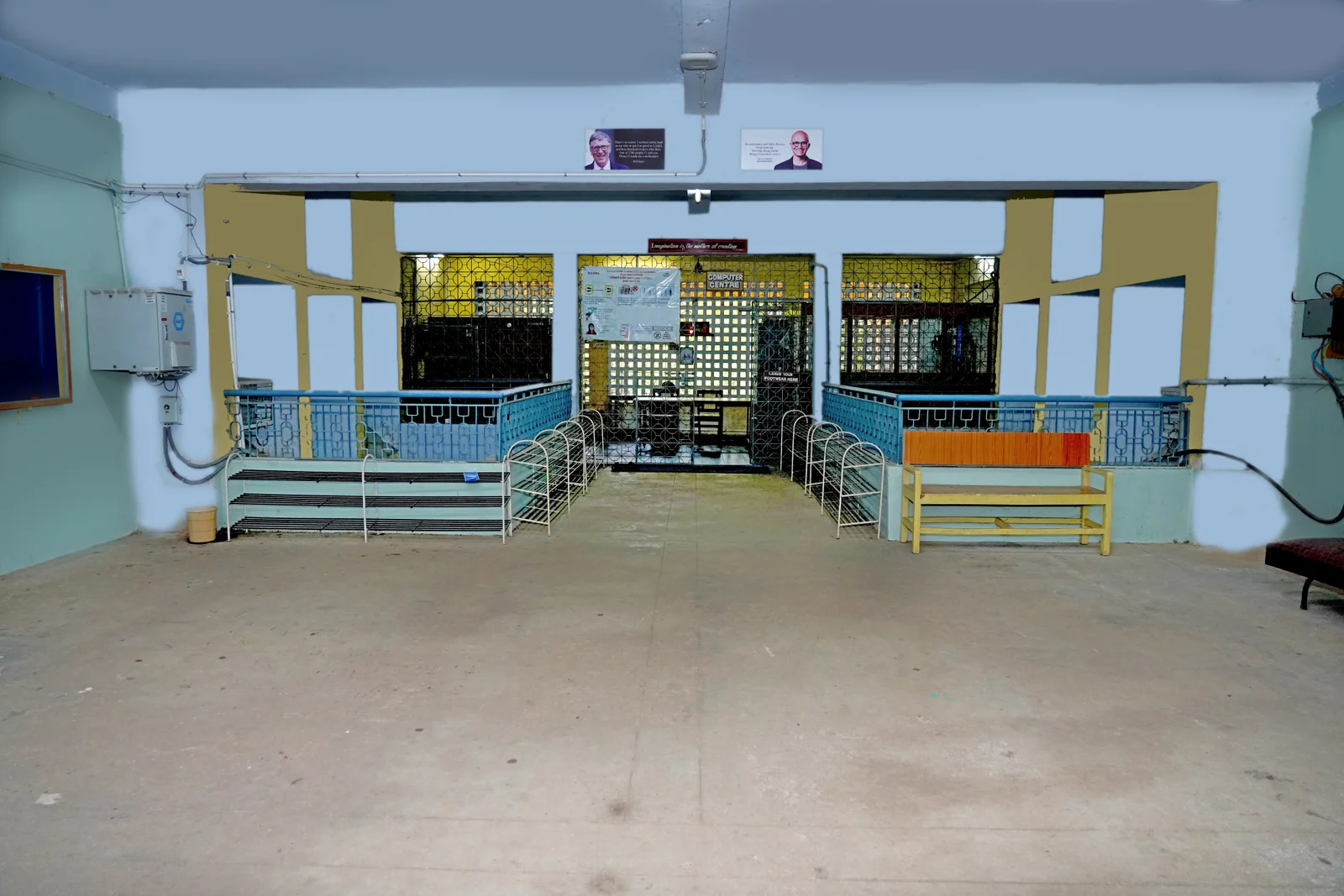
Database Laboratory
SQL, database design, and DBMS implementation
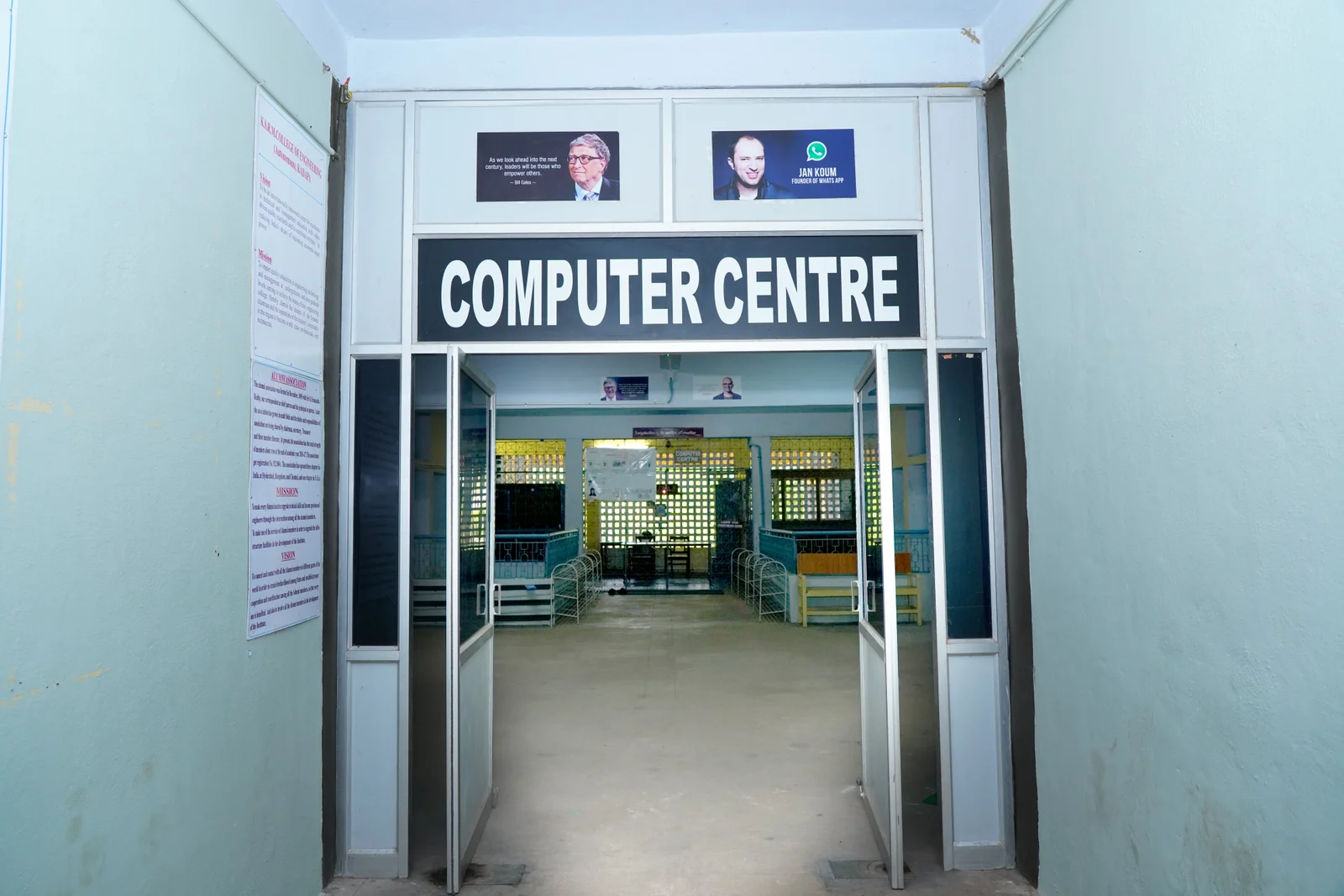
Web Technology Laboratory
Web development, HTML, CSS, JavaScript, and frameworks
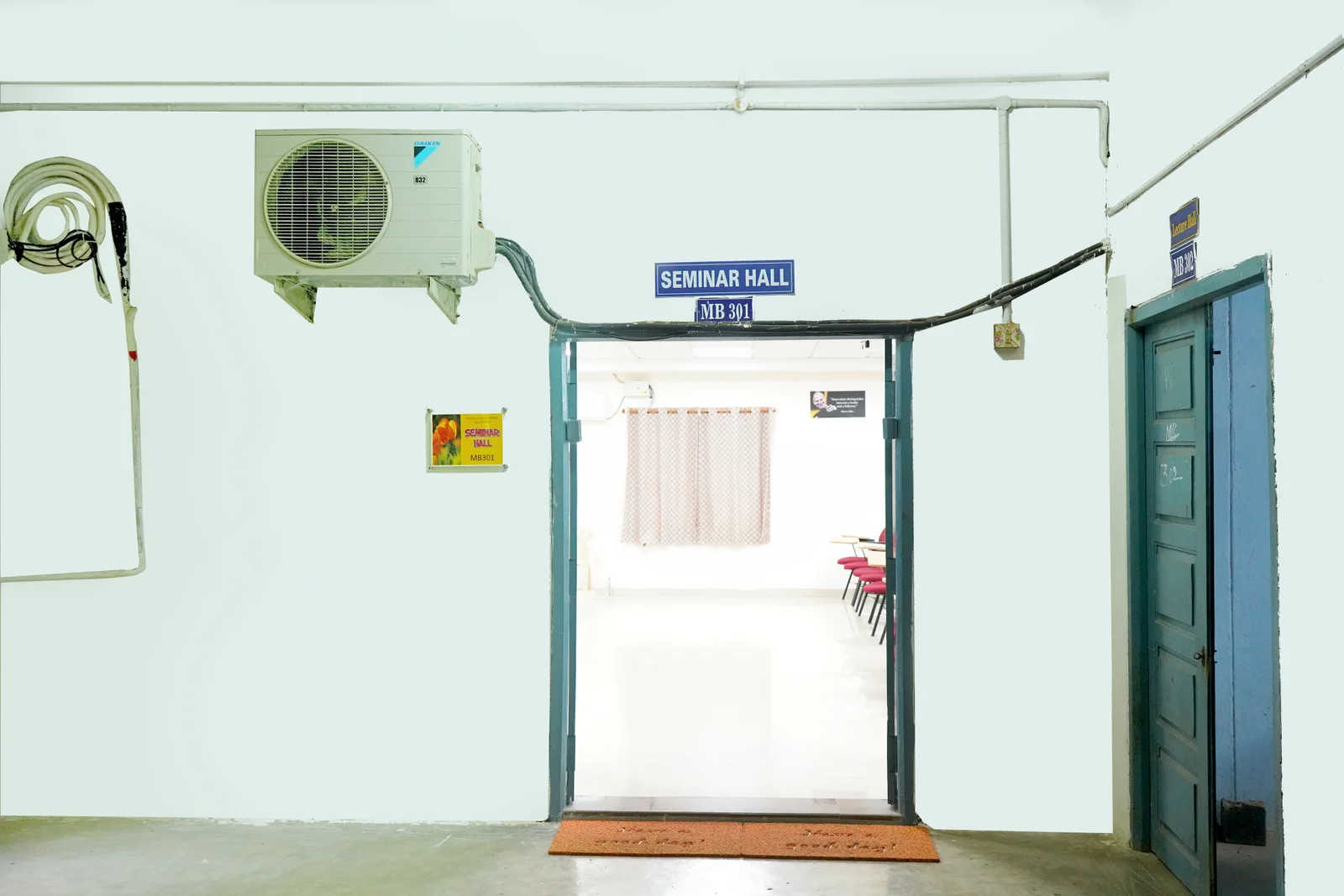
Operating Systems Laboratory
OS concepts, process management, memory management, and file systems

Computer Networks Laboratory
Network protocols, TCP/IP, routing, and network simulation

Mobile & Cloud Computing Laboratory
Android development, cloud platforms, and distributed computing

Cybersecurity & Cryptography Laboratory
Network security, encryption, and penetration testing

AI & Machine Learning Laboratory
Machine learning algorithms, neural networks, and AI applications

Software Engineering Laboratory
Software development methodologies, project management, and DevOps

IoT & Embedded Systems Laboratory
Embedded systems programming, IoT devices, and sensor networks
Programme Educational Objectives (PEOs)
PEO1
To excel in their career as competent professionals in Computer Science & Engineering and related organizations.
PEO2
To pursue higher education and conduct research for solving complex engineering challenges.
PEO3
To contribute to societal development through ethical practice and professional responsibility.
Programme Specific Outcomes (PSOs)
PSO1
Apply core principles of Computer Science & Engineering to design innovative solutions.
PSO2
Use modern tools and techniques for engineering design and analysis.
Programme Outcomes (POs) - NBA Standards
PO1: Engineering Knowledge
Apply knowledge of mathematics, science and engineering fundamentals to solve complex engineering problems.
PO2: Problem Analysis
Identify, formulate and analyze complex engineering problems to reach substantiated conclusions.
PO3: Design/Development
Design solutions for complex problems considering public health, safety and environmental factors.
PO4: Investigations
Conduct investigations using research-based knowledge and analysis of experimental data.
PO5: Tool Usage
Create and apply appropriate engineering and IT tools with understanding of their limitations.
PO6: The Engineer and Society
Assess societal, health, safety and legal issues relevant to professional engineering practice.
PO7: Sustainability
Understand the impact of engineering solutions in environmental contexts and sustainable development.
PO8: Ethics
Apply ethical principles and commit to professional ethics and responsibilities.
PO9: Team Work
Function effectively as an individual and member or leader in diverse teams.
PO10: Communication
Communicate effectively on complex engineering activities with community and society.
PO11: Project Management
Demonstrate knowledge of engineering and management principles in team environments.